
Mold: it’s not just a home problem. In commercial food storage, it’s a silent threat to hygiene, safety, and reputation. Curran Taylor, a top foodservice equipment distributor, battled recurring mold in their walk-in cooler—until they discovered Icezone.
Why Mold Grows In Cold Places
Mold is a fungus, not a bacterium. It thrives in damp, low-ventilation environments—even inside cold spaces like fridges and coolers. Though growth is slower at low temperatures, mold can still spread in walk-in and reach-in units, especially around door seals, drain pans, and stored produce.
The Solution: Photoplasma™ Technology
Curran Taylor installed Icezone, a Photoplasma™-based system that continuously releases reactive oxygen species into the air. These target and neutralize mold spores, bacteria, and biofilm. After over a year of operation, their walk-in cooler showed no mold, slime, or microbial growth. Problem solved—proactively.
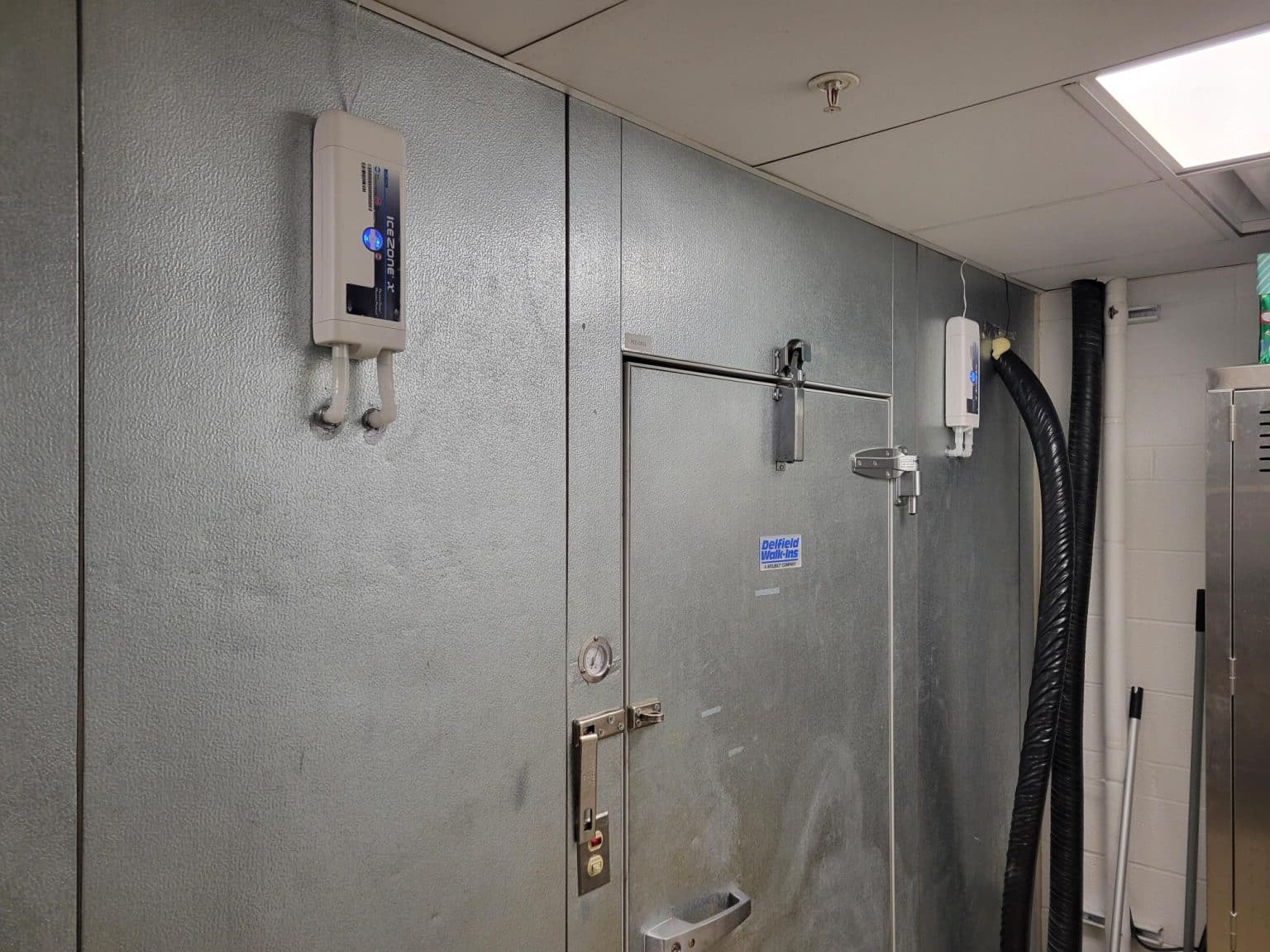
"The Results have been very good... showing NO GROWTH whatsoever" - Tim Curran, VP of Curran Taylor
How To Clean & Maintain a Mold-Free Cooler
How to clean a moldy cooler:
Install Icezone to maintain pristine conditions in refrigeration units.
Does vinegar kill mold?
Vinegar can kill some mold on non-porous surfaces, but it’s less effective than bleach or Icezone for larger infestations.
Is mold a fungus or bacteria?
Mold is a fungus—more complex than bacteria and harder to eliminate without proper treatment.
Preventing Mold For Good
Whether you’re managing a home fridge or a commercial walk-in:
Don’t overcrowd shelves—airflow matters.
Is It Safe to Use a Moldy Fridge?
No! Mold can contaminate food with mycotoxins, even if you can’t see it on surfaces. It’s crucial to clean thoroughly—or better yet, prevent mold in the first place.
Final Word
Curran Taylor’s case proves that mold prevention doesn’t have to mean endless scrubbing. With the right technology and smart maintenance, your coolers can stay clean, cold, and safe—no spores allowed.